Call or Text us:817-263-9788

Introduction

If you live in Fort Worth, you’ve probably noticed something.

Wood fences don’t stay “new” for very long.

One summer goes by. The color fades. Boards start to dry out. Maybe you see a little warping or cracking. Then a storm hits and things get worse.

That’s just Texas weather doing its thing.

The good news is this. You can slow all of that down. A lot.

Wood fence maintenance Texas homeowners rely on really comes down to one thing. Protecting the wood before it breaks down.

That’s where staining and sealing come in.

In this guide, we’ll walk through:

  • When to stain vs seal
  • What actually works in Texas heat
  • How often you need to do it
  • Whether DIY is worth it
  • And what most homeowners wish they knew earlier

Let’s keep it simple and get you a fence that lasts.

Why Fence Maintenance Matters So Much in Texas

Let’s be honest. Texas is rough on wood.

It’s not just the heat. It’s everything combined.

  • Blazing sun that dries wood out fast
  • Humidity that brings mold and mildew
  • Heavy rain that soaks into unprotected boards
  • Temperature swings that cause expansion and cracking

That’s a lot for a fence to handle.

Here’s what usually happens if you don’t maintain it:

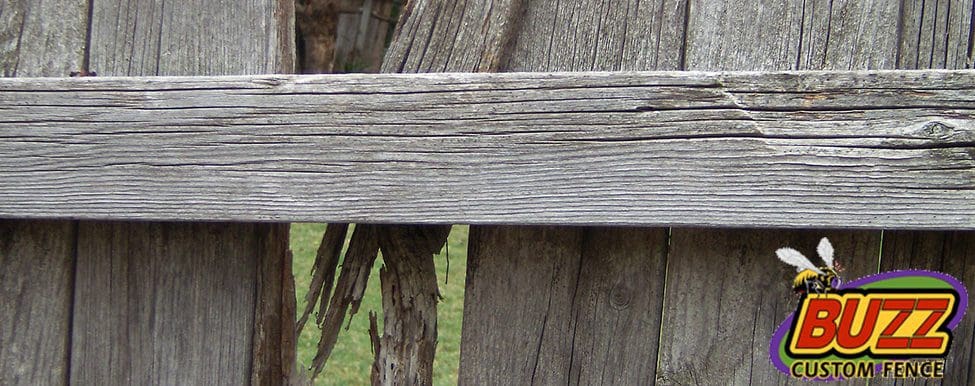
  • The wood turns gray
  • It starts to crack or split
  • Boards loosen or warp
  • Posts weaken near the ground

And once that starts, repairs add up quickly.

Here’s how we handle it.

We focus on prevention first. A properly stained fence can last years longer than an untreated one.

One thing many guides don’t mention.

In Fort Worth, the soil shifts. That movement lets moisture sneak into the base of your fence faster. That’s where damage often starts.

If you’re already seeing issues like loose boards or leaning sections, it might be time to fix those first. You can start here:

Take a quick walk around your fence today.

If it looks dry, faded, or uneven, it’s time to act.

Staining vs Sealing. Let’s Make It Simple

This is where a lot of people get stuck.

You hear both terms. They sound similar. But they’re not the same.

Sealing

A sealer is clear. It mainly:

  • Blocks water
  • Helps prevent rot
  • Keeps wood from swelling

But it does not protect much from the sun.

Staining

A stain does more.

  • Adds color
  • Protects against UV rays
  • Helps with moisture too

Think of stain as protection plus appearance.

So which one should you use?

For Texas homes, most of the time:

  • Stain is the better choice

Especially semi-transparent stain. It gives you:

  • Good protection
  • A natural wood look
  • Longer life between treatments

Tired of your fence turning gray every year?

This is usually why. Sealer alone just isn’t enough in our climate.

Here’s a simple rule:

  • Want natural look and protection? Use stain
  • Want bare minimum moisture protection? Use sealer

Most homeowners end up happier with stain.

Not sure what your fence needs? Take a look or get a second opinion:

How Often Should You Stain a Fence in Texas?

In Fort Worth, the usual range is:

  • Every 5 to 6 years

But that depends on a few things.

Your fence might need it sooner if:

  • It faces direct sunlight all day
  • It’s older wood
  • The last job was done lightly
  • You used a lower quality product

Watch for these signs:

  • Water soaks in instead of beading up
  • Color looks faded or uneven
  • Wood feels dry or rough
  • Small cracks are showing up

Here’s something most people don’t realize.

The sunny side of your fence wears out faster. Sometimes much faster.

You might notice one side looks fine and the other looks worn out. That’s normal in Texas.

Simple timeline

  • New fence: stain after it dries out
  • Year 2 or 3: light recoat
  • Year 4 or 5: full restain

Frustrated with guessing when to restain?

You don’t have to. A quick check makes it clear.

Walk your fence this weekend. Splash a little water on it.

If it soaks in fast, it’s time.

Best Stains for Texas Heat

Not all stains hold up the same. Especially here.

Oil-based vs water-based

Let’s keep it simple.

Oil-based stains:

  • Soak deeper into the wood
  • Last longer in heat
  • Handle Texas weather better

Water-based stains:

  • Dry faster
  • Easier cleanup
  • Usually don’t last as long outside

For Fort Worth homes, most pros lean toward oil-based.

What to look for

When you’re picking a stain, check for:

  • UV protection
  • Water resistance
  • Mildew protection

Best type for most homes

  • Semi-transparent stain

It hits the sweet spot:

  • Protects well
  • Still shows wood grain
  • Looks good in most neighborhoods

Quick local tip.

HOAs around DFW often prefer natural cedar tones. Semi-transparent stains usually fit those rules without issues.

Tired of redoing your fence too often?

Better products make a big difference.

If you want help choosing the right stain, start here:

DIY or Hire a Pro? Honest Answer

You can absolutely stain your fence yourself.

A lot of homeowners do.

But here’s the real question.

Do you want to do it once or redo it sooner than expected?

DIY works if:

  • You have time
  • You prep the surface properly
  • You apply it evenly

Where DIY usually goes wrong:

  • Skipping cleaning
  • Not letting wood dry fully
  • Uneven spraying
  • Missing spots

That leads to patchy color or early fading.

Hiring a pro

Here’s what you get:

  • Even coverage
  • Better equipment
  • Faster job
  • Longer lasting results

Here’s how we handle it.

We make sure stain gets into every board, edge, and corner. That’s what helps it last.

Cost reality

  • DIY: a few hundred dollars
  • Professional: more upfront, but fewer redo jobs

Tired of spending weekends on fence work?

Sometimes it’s worth letting someone else handle it right the first time.

How to Stain Your Fence Step by Step

If you’re going the DIY route, let’s keep it simple.

1. Check for damage

Fix loose boards or cracks first.

2. Clean the fence

Remove dirt, mildew, and old residue.

3. Let it dry

Give it at least 24 to 48 hours.

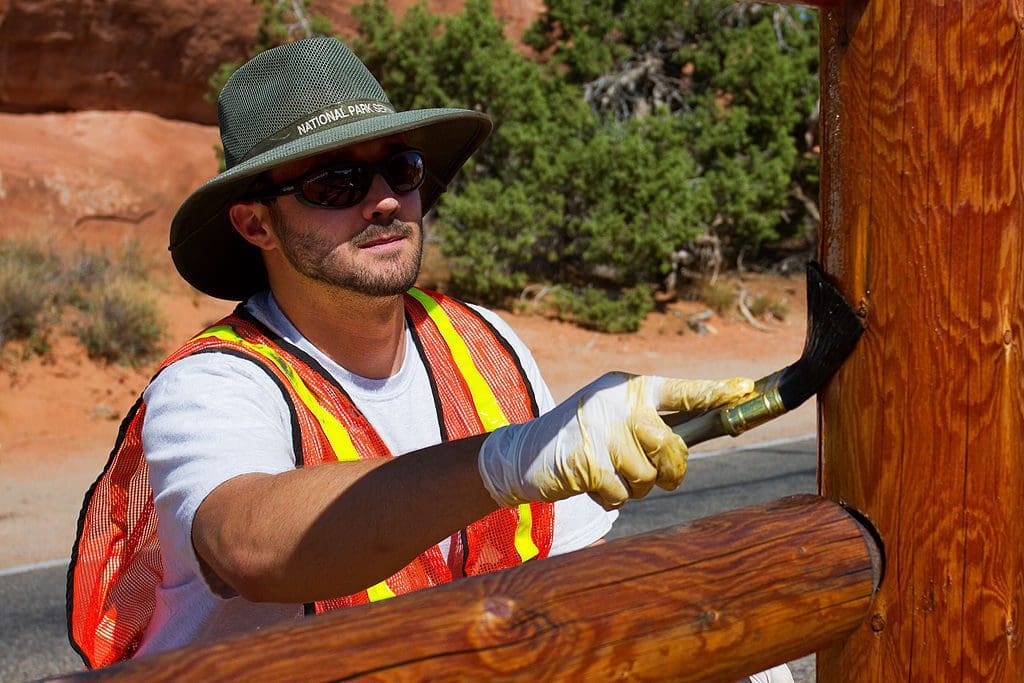
4. Apply the stain

You can use:

  • Sprayer for speed
  • Brush for detail
  • Roller for balance

5. Add a second coat if needed

Helps with durability.

Best timing matters

  • Mild temperatures
  • No rain in the forecast
  • Not during peak heat

Rushing this process is where most problems start.

If you’d rather skip the hassle, you can always get help here:

Quick Takeaways

  • Texas weather is tough on wood fences
  • Staining protects against both sun and moisture
  • Plan to reapply every 5 to 6 years
  • Oil-based, semi-transparent stains work best here
  • The sunny side of your fence wears out faster
  • DIY can work, but prep and consistency matter
  • Small maintenance now prevents big repairs later

Conclusion

A wood fence looks great when it’s new.

But in Texas, it doesn’t stay that way on its own.

The difference between a fence that lasts 5 years and one that lasts 15 often comes down to consistent maintenance.

Staining and sealing are not complicated. But they do need to be done at the right time, with the right products, and with a little attention to detail.

If you stay ahead of it, your fence stays strong, looks better, and saves you money over time.

If you’re already seeing signs of wear, don’t wait too long. Small issues turn into bigger repairs faster than most people expect.

Want a quick, honest opinion on your fence? No pressure. Just help.

Reference: Maestro’s Foundation Repair – Understanding Fort Worth Soil and Its Impact on Your Home’s Foundation

FAQs

How often should I stain my fence in Texas?

Most fences need it every 5 to 6 years, sometimes sooner with heavy sun exposure.

Not really. It helps with moisture, but won’t protect from sun damage like stain does.

Oil-based, semi-transparent stain tends to last the longest in Texas heat.

Yes. Just make sure you prep and apply it properly. That’s where most mistakes happen.

If water soaks in quickly or the color looks faded, it’s time.

horizontal red cedar fence

Choosing fence materials, colors and designs are just a part of finding the perfect fence to suit your security and aesthetic requirements. Two of the most important factors during your search for your perfect fence should be durability and longevity.

Although the style of your home, climate of your area and purpose of the fence play a large role in selecting the right fence material, it’s best to understand what differentiates one fence material from another so you can pick the highest quality fence for your needs.

Wood Fences

Horizontal Wooden Fence

The most commonly used wood types for fences are spruce, cedar and pine, so the longevity of your fence naturally depends on the type of wood it’s made from. Cedar may last for 15-30 years, spruce may last for 4-7 years and pine may last for 5-12 years.

Treated wood, however, increases this longevity: pine and spruce may last for 20 years and cedar may last up to 40 years. Keep in mind that one of the biggest culprits to diminishing your fence’s longevity is moisture. If one of your fence panels or pickets touches the ground, they’ll be affected by moisture, which can reduce the life by up to three years. You can avoid this by ensuring that the posts are treated or stained and have concrete or gravel filler in their post holes to keep out moisture.

Another thing to keep in mind with wood fences is the maintenance—you need to regularly maintain your fence to keep it from aging. Stain and paint your fence, then re-stain every two years and paint every four years.

Metal Fences

chain link park fence

Metal fences are the sturdy option that comes in three types: chain link, wrought iron or aluminum. Chain-link is the most inexpensive and long-lasting, although it does provide a more industrial look (not the best for those who want a more decorative aesthetic).

If you do seek a more decorative look and want a metal fence, opt for wrought iron. Wrought iron and aluminum fences combine beauty and strength and can be shaped into unique designs. You can also odd ornamental applications and other fence accessories for artistic embellishments while still enjoying the durability of a metal fence.

As far as maintenance goes, wrought-iron requires a rust-resistant finish every few years to avoid corrosion.

Vinyl Fences

White Vinyl Fences

Vinyl fences or PVC fences are quickly growing in popularity. They are durable and relatively maintenance-free—just hose it off with some water. While color options are limited, vinyl fences are available in a wide range of styles including picket, lattice, privacy, and even split-rail.

How Long Does a Vinyl Fence Last?

Vinyl fences require little maintenance and are highly durable which allows them to last for 20 or more years with proper care. In fact, the International Association of Certified Home Inspectors places the lifespan estimate of polyvinyl , but that would be assuming it doesn’t get damaged in the meantime. Some tips for extending the lifespan of your vinyl fence can be found here.

One reason why it’s easy for vinyl fences to last longer than wood is due to the fact that they don’t decay. While wood can start rotting if it’s not regularly retreated, vinyl does not, meaning it can easily last for decades, especially if you take care to protect it from damage.

modern vinyl fences are made using titanium oxide to protect them from UV rays, making them more resistant to sunlight. Modern vinyl is also a durable material made of high-tech polyvinyl, meaning it tends to resist damage better than wood, making it great for pet owners or families with children.

What Type of Fence Lasts the Longest?

Chain-link fences with a galvanized finish that doesn’t rust are the longest lasting fences. All other components of the fence are made of steel and are also galvanized, so there is relatively no maintenance. Even the American Fence Association agrees, finding that chain-link fences are economical and secure.

Chain link comes in a variety of vinyl-coated options aside from durability, chain-link fences can also be customizable without losing the homeowner’s visibility.

Frequently Asked Questions

How long should a fence last?

A well-built and maintained fence should last for 15 to 20 years with proper care.

What is the most durable fence?

The most durable fence is the one that is properly built and maintained! That aside, iron, aluminum, cedar, and vinyl fences tend to be the most durable.

Does staining a fence make it last longer?

Yes. Staining a fence protects it against water damage, rot, insects, and day to day wear and tear.

How long do fence posts last?

Fence posts, like your fence, should last for 15 to 20 years if properly installed and maintained.

Does vinyl fencing last longer than wood?

It depends on how well each is maintained. Treated wooden fences can last a long time, but only if they are kept protected from moisture and bugs. Vinyl, however, requires much less maintenance, so it can easily last 20 years or more with minimal care.

Do vinyl fences break easily?

It depends on the quality of the fence, but modern vinyl fencing materials have five times the tensile strength of wood, so it’s comparatively difficult to break.

When trying to decide the type of materials you want to use to build your fence, do your research or consult our professionals at Buzz Custom Fence to help you find the right fence for you!

Ready for a new fence?

[/column]